Why Does Shingle Lapping Matter in Balcony Waterproofing?
When waterproofing balconies before installing concrete, shingle lapping is particularly effective.
Formulated Materials
Oct 14, 2026 · 3 min read
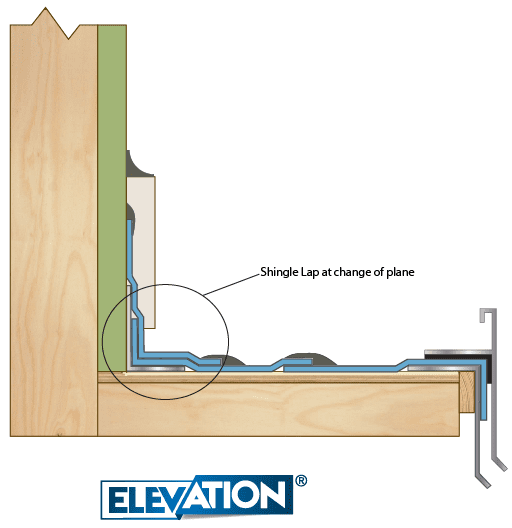
Shingle lapping is one of the most effective techniques for waterproofing a balcony before the concrete goes down. It rarely gets much attention in construction conversations, but it deserves far more than it gets. Done right, shingle lapping can decide whether a balcony holds up for decades or turns into an expensive headache.
So what is shingle lapping, and why does it matter so much? Here's a closer look.
1. Building One Continuous, Uninterrupted Barrier
Shingle lapping means overlapping sheets of waterproofing membrane, much like shingles are layered on a roof. Those overlaps form a continuous barrier that keeps water from working its way through the joints. Without them, even a tiny gap can let water in, leading to leaks and possible damage. In waterproofing, continuity is everything, and shingle lapping keeps the membrane unbroken and doing its job.
2. Making the System Last Longer
How long a waterproofing installation lasts depends on more than the materials themselves. It also depends on how they're put down. Shingle lapping reinforces the membrane's seams, so the installation stands up better to wind, rain, and swings in temperature. By shoring up those vulnerable points, shingle lapping helps the system hold up against everything it will face over the years.
3. Stopping Capillary Action
Water has a way of creeping into places it shouldn't through capillary action, where surface tension pulls it into tiny gaps and cracks. That can be a serious problem for any waterproofing system. Shingle lapping counters it with a physical overlap that cuts off the water's path, greatly lowering the chance of capillary-driven leaks.
4. Strengthening Adhesion
Every waterproofing system depends on good adhesion. Shingle lapping builds overlapping layers that help the membrane bond securely, so it stays where it belongs and keeps protecting the structure over time. That strong bond keeps the membrane from peeling or shifting, either of which could undermine the waterproofing.
5. Cutting Down on Installation Mistakes
One very practical advantage of shingle lapping is that it gives installers a clear method to follow. Working this way makes it simpler to place each sheet of membrane correctly, which lowers the odds of mistakes that lead to leaks. A properly installed shingle lap doesn't just perform better on its own. It also makes the entire waterproofing system more dependable.
6. Handling Thermal Movement
As buildings expand and contract with changing temperatures, their materials need to move without losing strength. The shingle lap design leaves room for small movements within the membrane, so the waterproof seal holds even as the structure shifts. That flexibility is key to avoiding cracks and leaks, particularly in climates with big temperature swings.
The Bottom Line
Shingle lapping is a straightforward technique with a big payoff, delivering a range of benefits that every successful waterproofing installation needs. From residential balconies to large commercial projects, knowing how to apply shingle lapping can make all the difference in how long and how well your waterproofing system performs.
At Formulated Materials, shingle lapping is built into our Elevation S60 membrane. The product is designed around shingle lapping principles to deliver a strong, leak-free installation that stands up to real-world conditions. In waterproofing, the details make the difference, and shingle lapping is one detail you can't afford to skip.